For many furniture manufacturers, measuring product carbon is not a simple exercise. A chair may appear to be a single product, but behind it sits a complex network of components, materials, finishes, suppliers and manufacturing decisions. That was the challenge Chair Solutions set out to solve when it partnered with Rebuilt to develop a Product Carbon Footprint for its Delta 135 Ratchet High Back chair.
Chair Solutions approached the project as a proactive step, not a reactive one. The team saw product carbon data as something that would increasingly become a market expectation and wanted to understand what was involved before requests started landing in tenders and customer conversations. That decision reflected a leadership mindset, to test the process early, build internal capability and get ahead of where the market is heading.
What quickly became clear was just how complex a chair really is.
The Delta 135 is not one simple unit. It is an assembly of many parts, each with its own material profile and sourcing story. Casters combine plastic and metal. Fabrics vary by customer choice. Foam, mechanisms, powder-coated parts and supplier locations all affect the final carbon result. Some inputs are sourced across Australia and New Zealand, meaning geography also influences emissions. For Chair Solutions, one of the hardest parts was not commitment; it was translating all of that component-level detail into a structure suitable for carbon accounting.
That is where Rebuilt proved its value.
“We had no idea what we were going into. The components are complex, different suppliers, powder coating, plastic, foam, fabric. Rebuilt helped us break that down,” says Brendan Cheong, Operations Manager from Chair Solutions
According to Chair Solutions, the Rebuilt team was highly supportive throughout the process, especially when the project hit more detailed technical hurdles. The team helped build out the component list, bring order to the information, and create a pathway through a product structure that initially felt overwhelming. Chair Solutions said that once the list and logic were in place, the process became much more manageable, and that completing the first product laid the groundwork for future PCFs to be far easier.
“Rebuilt was very helpful throughout the process. When we got stuck, they were ready to help out. Once we worked through the first product, it became much easier to see how we can do this again.”
This is where Rebuilt stands out for manufacturers. It does not pretend that complex products are simple. Instead, it helps manufacturers work through that complexity in a structured, credible, and commercially useful way. For Chair Solutions, that meant converting a detailed bill of materials into verified product carbon data that can now support customer engagement, tender readiness, and future decision making. The work has already helped break the product down more clearly and prepare the business for the point when emissions profiles start to become expected in procurement.
“It’s not just one chair. Every component has its own components, and there is a lot to take into consideration. Rebuilt helped us turn that into something practical,” says Brendan
The exercise also delivered broader strategic value. The PCF found that the Delta 135 chair has a footprint of 62.3 kg CO2e per chair, around 10% lower than a standard base chair. Chair Solutions noted that the PCF process sharpened its understanding of sourcing choices, material use, and manufacturing decisions. The team is already looking at issues such as recycled plastics, consolidating suppliers, and reducing transport emissions, while linking this work with ongoing improvements under its ISO 14001 approach, including changes to glues, fixings, labour efficiency, and recyclability.
It also complements a broader sustainability story that Chair Solutions has already built into its business. The company highlights designing chairs for reupholstery and refurbishment, along with a Take Back Program that supports responsible recycling and disposal of components. Rebuilt did not replace that story; it strengthened it by adding verified carbon data to back up performance, transparency and future readiness.
Perhaps most importantly, the PCF has helped Chair Solutions prepare for the next wave of market expectations. The business expects emissions profile requests to become more common in tenders and sees this work as putting it ahead of the curve. It also recognises that product carbon data is not just for reporting, it is something sales teams and customers will increasingly need help understanding and using.
“When emissions profiles start appearing in tenders, we’ll be well ahead of the game.”
For Chair Solutions, Rebuilt did more than calculate a footprint, it transformed a highly complex product into credible, decision-ready carbon data, giving the business a clearer path to future tenders, smarter product choices and real market leadership.
Discover more
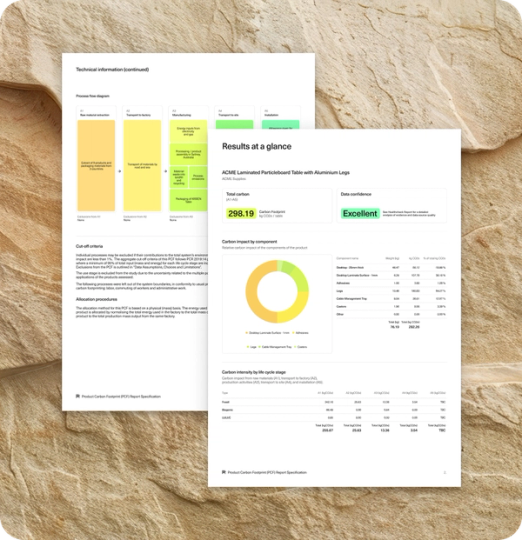
Corporates won’t hit their carbon targets without fixing this data problem
Insights
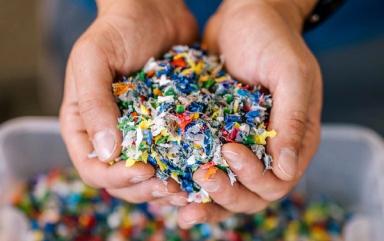
Recycled, recyclable, or just wishful thinking?
Insights
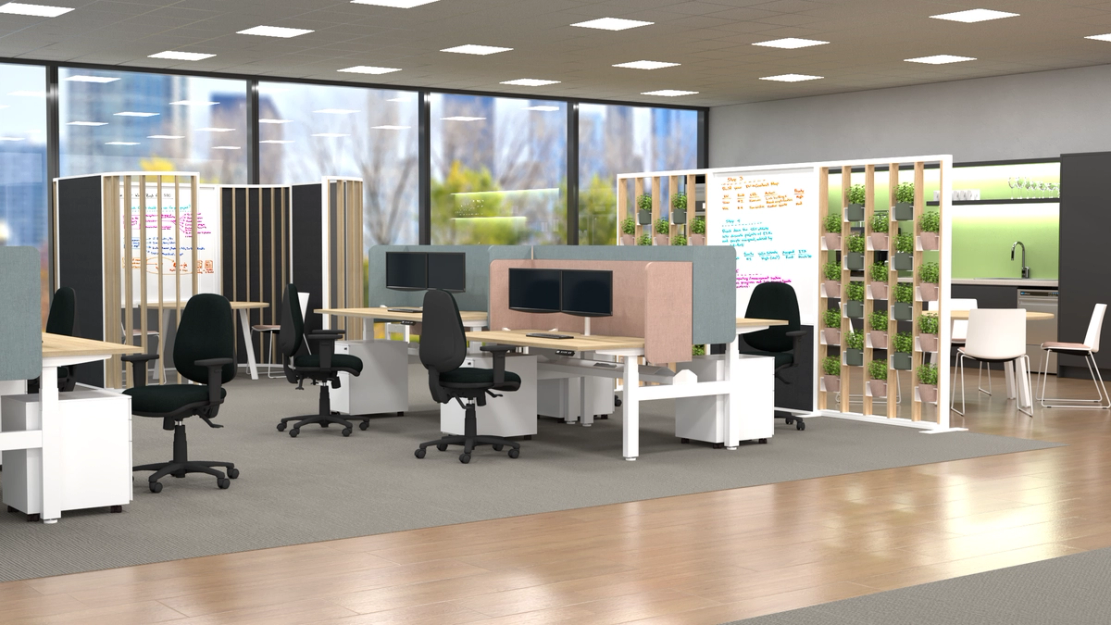
From product carbon to product innovation, what Rebuilt’s work with furniture manufacturers is showing
Insights
EPD or PCF? How to keep building product-specific data working hard in a capital-constrained economy
Insights
Product Carbon Footprint Labels: Quantifying the Value of Circular Materials in Reshaping Construction
Insights

Make carbon a feature, not a footnote: Turn every chair, workstation, and panel into verified data
Insights