
By partnering with Rebuilt to verify the carbon footprint of its xLocker2 range, Planex has added a new layer of credibility to an already thoughtful product story, one grounded in circular design, long-term value and practical sustainability.
From intention to evidence
For Planex, sustainability has never been an add on. It sits inside the way the business thinks about responsibility, product design and long term value. Director Jean-Pierre Jardel describes that commitment simply, Planex aims to do no harm, to staff, customers, or the environment. That mindset made verifying the carbon footprint of xLocker2 a natural next step.
The business had already undertaken internal carbon calculations, but wanted independent verification to confirm its direction and give the results greater weight in the market.
“We had already done our own carbon calculations internally, so going through Rebuilt and getting that third-party verification was really important. It was refreshing to see that what we had estimated internally was close to the externally verified result,” says Jean-Pierre Jardel, Director of Planex.
What Planex found in Rebuilt was a process that was structured without being burdensome. The assessment gave the team a clear pathway from internal modelling to verified product carbon data, making the exercise feel achievable as well as rigorous.
“The Rebuilt process was really good. It was logical, simple and straightforward, and it appealed to my scientific mind,” he says.
Why xLocker2
xLocker2 was a natural starting point. Its design already reflects many of the principles at the centre of the Planex approach: durability, adaptability and circularity. Designed to be repairable, relocatable, reconfigurable and ultimately recyclable, it was well-suited to verified carbon assessment through Rebuilt.
By quantifying the carbon footprint of xLocker2, Planex was able to add measurable evidence to qualities that are often described more broadly. The result is a more complete product story, one that connects design intent with verified data.
A stronger position in the market
For Planex, the value of verified carbon data is not confined to reporting. It also strengthens the business commercially, giving customers, specifiers and procurement teams more confidence in the information behind the product, while helping Planex stay ahead of a market that is moving steadily toward greater transparency.
“This work is both necessary and a commercial advantage for Planex. Competitors are still not providing the same level of information, so by doing the hard yards early, we are in a much stronger position.”
That advantage is also internal. The verified data is now being used to build capability across the business, particularly within the sales team, so that the information can be explained clearly and used more confidently in customer conversations.
“We are now educating our salespeople on what the data means and how it fits in. We want them to be able to talk to it with authority,” says Jean-Pierre.
Building from here
The assessment has also created a stronger foundation for future improvement. With verified figures now in place, Planex can use the data to inform design decisions, identify opportunities for refinement, and extend this work across more of its product range.
“We now have verified figures to support improvement targets. It will definitely help design and help us improve current products.”
For Jean-Pierre, the broader message is that products should be considered over their full life, not simply at the point of purchase. Verified carbon data adds another layer to that assessment, helping customers better understand the long-term value of the product and giving Planex a stronger basis for those conversations.
“You need to look at the life of the product. We are selling a product that will be a lasting asset. It is a product with more than one life, and we can now also verify its carbon impact.”
For Rebuilt, this is exactly the role verified product carbon data can play. It helps manufacturers like Planex turn strong design intent into clear, credible evidence, and gives the market better information to support smarter choices.
Want to back your product story with verified carbon data?
Rebuilt helps manufacturers turn sustainability intent into product-level carbon evidence that supports specification, procurement and customer confidence.
Discover more
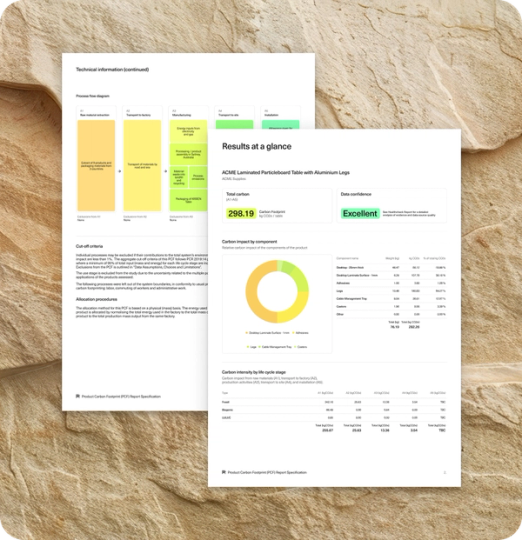
Corporates won’t hit their carbon targets without fixing this data problem
Insights

Recycled, recyclable, or just wishful thinking?
Insights
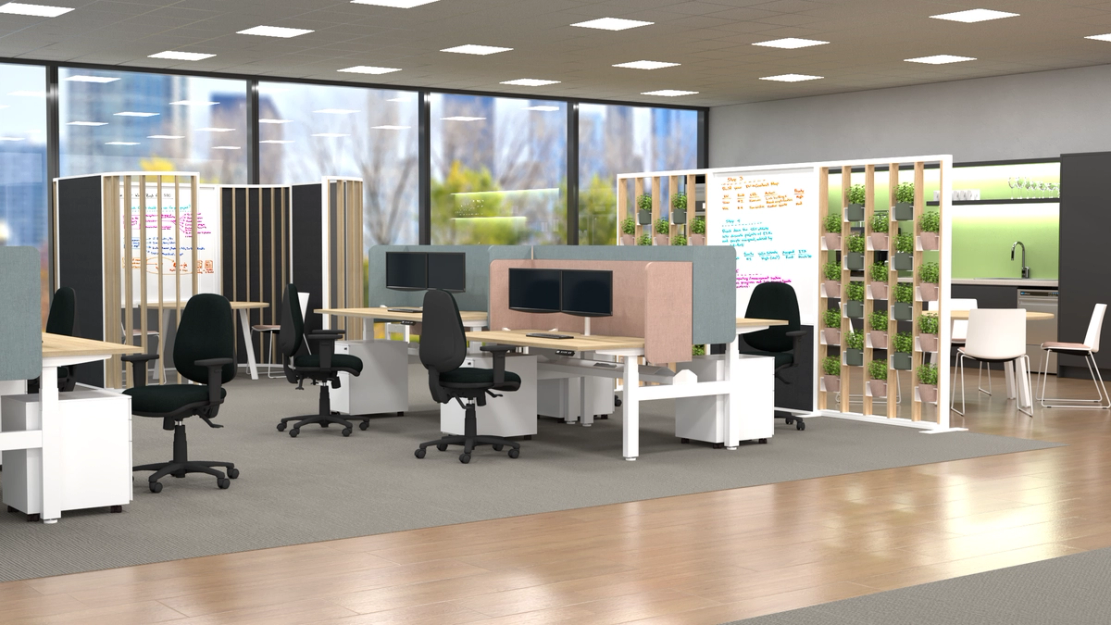
From product carbon to product innovation, what Rebuilt’s work with furniture manufacturers is showing
Insights
EPD or PCF? How to keep building product-specific data working hard in a capital-constrained economy
Insights
Product Carbon Footprint Labels: Quantifying the Value of Circular Materials in Reshaping Construction
Insights

Make carbon a feature, not a footnote: Turn every chair, workstation, and panel into verified data
Insights